 MAGNA BUREAU
The Wire
The NBA confirms US sanctions forced Rwanda’s army team out of the Basketball Africa League
For eight months nobody explained why the Armée Patriotique Rwandaise vanished from the 2026 Basketball Africa League. On 4 November 2026 the NBA finally said it plainly: American sanctions on Rwanda’s army forced the club out; and the admission came in a letter answering two US senators who accuse the league of sportswashing.
Key points
- On 4 November 2026 the NBA confirmed that Rwanda’s army-funded club APR was removed from the 2026 Basketball Africa League because of US sanctions imposed on the Rwandan army in March; the first time the league has given the reason for the club’s absence. 1
- NBA deputy commissioner Mark Tatum disclosed the reason in a letter to Senators Jeff Merkley and Marsha Blackburn, writing that APR “had been withdrawn” after the sanctions and will stay ineligible “while these sanctions remain in effect”. 1
- The senators’ letter, dated 23 October, gave the NBA until 2 November to explain its Rwanda partnership, warning the league risked “becoming complicit in sportswashing by accepting money from a Rwandan government that systematically abuses human rights”. 1
- Washington sanctioned the Rwanda Defence Force in March 2026 over its alleged role fuelling the conflict in eastern DR Congo, and last week added Rwanda’s defence ministry and the Zigama Credit and Savings Society over support for the M23 rebel group. 1
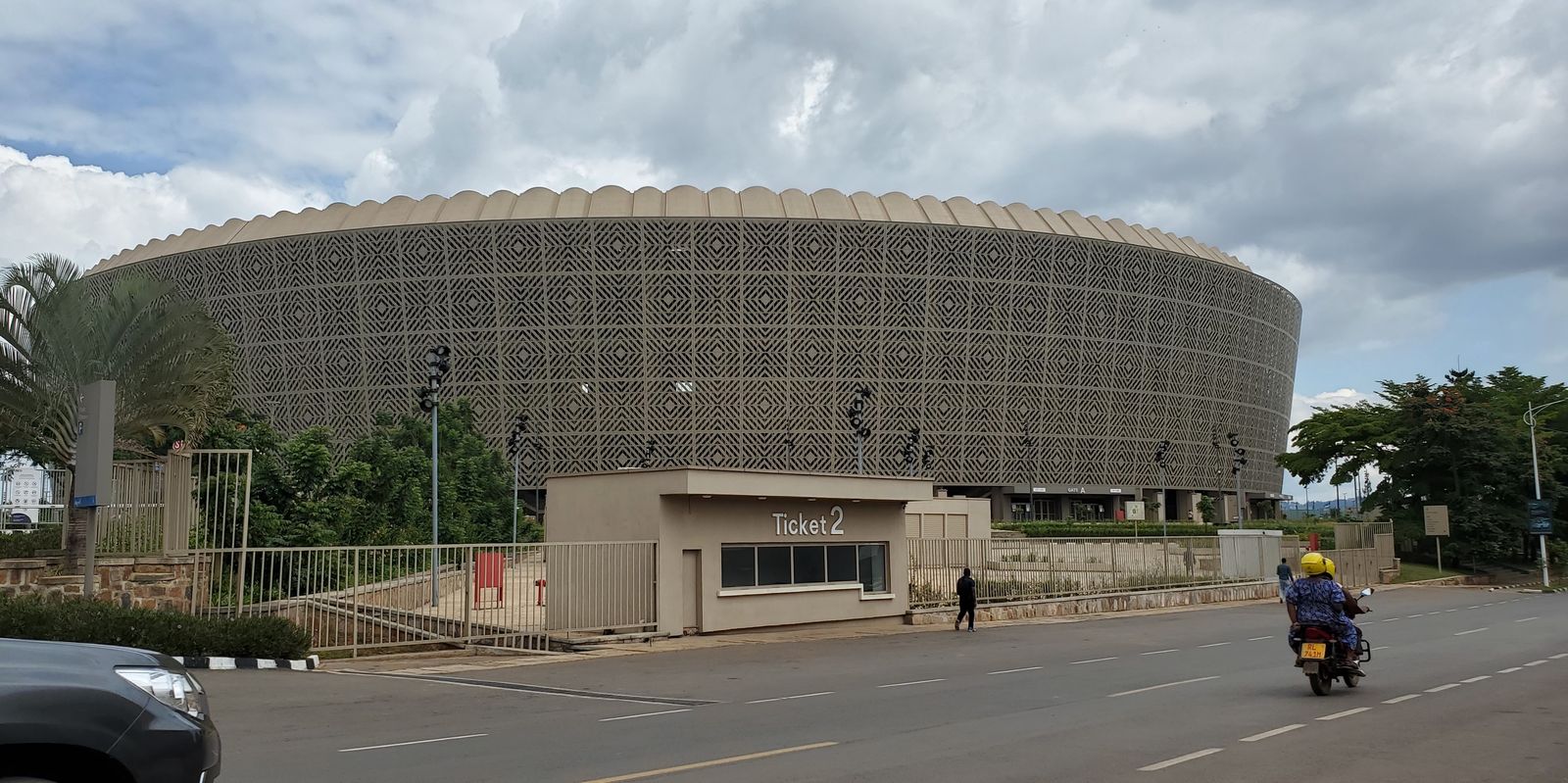
- Rwanda pays the NBA an estimated $6–7 million a year to host BAL games at the 10,000-seat BK Arena in Kigali; the league says the wider partnership continues even as APR stays out. 2
ONE EVENT. THREE READINGS.
This as compliance as foreign policy.
In the Western lens, a Treasury designation in Washington quietly rewrote a sports league’s roster in Kigali, and the NBA’s letter is the paperwork that makes the mechanism visible.
What this reading highlights: The ESPN-to-Senate-to-NBA chain is a familiar accountability loop: reporting triggers pressure, pressure extracts disclosure.
The East has no original reporting on this story; and that silence is itself informative.
No East newsroom we searched (CNA, The Hindu’s sports coverage, Kyodo, NHK) has filed on the APR withdrawal; the story is hours old and so far a Western-wire and African-outlet affair.
What this reading highlights: Through the Eastern lens, the striking feature is extraterritoriality by another name: an American sanctions regime deciding which team may play in an African league…
This from Kigali and Kinshasa at once.
Rwanda’s own outlets, Radio/TV10, the Rwanda Dispatch, frame the letter as the league holding its line: the partnership stands, one club was the price of compliance.
What this reading highlights: From the Congolese side, the same facts read as vindication: Kinshasa has argued for years that Rwanda’s sports deals launder a war record, and the…
Sources: Radio/TV10 Rwanda, Rwanda Dispatch, Vidia News, Uganda, World Right Now, Nigeria, Ukweli Times
Sources by lens: 2 West, 0 East, 5 Global South. See every source
THE POINT OF CONVERGENCE
The NBA has confirmed that APR, Rwanda’s army-funded club, was withdrawn from the 2026 Basketball Africa League because of the US sanctions imposed on the Rwandan army in March 2026, and that the club will remain ineligible while those sanctions stay in force.
WHAT REMAINS CONTESTED
Whether the NBA’s wider Rwanda partnership, millions of dollars a year for the Kigali hosting deal, amounts to sportswashing, as Senators Merkley and Blackburn charge, or legitimate basketball development, as the league and Kigali present it.
The story
How did a senators’ letter end eight months of silence?
When the 2026 Basketball Africa League tipped off, one absence went unexplained. The Armée Patriotique Rwandaise, APR, the Rwandan army’s club and one of the country’s strongest teams, simply was not in the draw. The NBA said the club would not play the 2026 season and said nothing more. Eight months later, the reason arrived from Washington.
On 4 November 2026, the NBA confirmed APR had been removed from its African league because of the US sanctions imposed on Rwanda’s army in March. The admission was buried in a letter from NBA deputy commissioner Mark Tatum to two American senators; the first time the league has tied the team’s absence to the sanctions. The letter said the Rwandan team “had been withdrawn” after the sanctions were imposed earlier in the year, and that the club would stay barred while they remain in force.
The senators are an unusual pair: Democrat Jeff Merkley of Oregon and Republican Marsha Blackburn of Tennessee. On 23 October they wrote to commissioner Adam Silver demanding, in writing by 2 November, an explanation of the league’s deepening ties with Rwanda; warning it risked “becoming complicit in sportswashing by accepting money from a Rwandan government that systematically abuses human rights”. Tatum’s reply is the league’s answer, and the APR revelation is its most concrete concession.
What the letter, the sanctions and the timeline show
The sanctions are American. In March 2026, Washington sanctioned the Rwanda Defence Force, accusing the Rwandan army of fuelling the conflict in the Democratic Republic of Congo. APR is funded by that same army, which put the club inside the sanctions’ shadow. Then, last week, the US widened the net: fresh sanctions hit Rwanda’s defence ministry and the Zigama Credit and Savings Society, with the Treasury accusing both of supporting the M23 rebel group that has seized large parts of eastern DR Congo. Rwanda denies backing the rebels.
Tatum’s reply states the league’s doctrine plainly: “Our business around the world is not one-size-fits-all, but in all instances we follow U.S. policy in deciding where and how to operate.” The league condemns human rights violations wherever they occur, he wrote, and will “continue to adjust to changed circumstances as U.S. policy requires.” The letter’s contents were reported by ESPN, whose earlier investigation into the NBA’s Rwanda ties started this congressional thread.
The wider business is untouched. Rwanda is an official BAL partner paying the league to stage its finals at the 10,000-seat BK Arena in Kigali; roughly $6 million to $7 million a year, according to TMZ. The country has hosted all but one of the league’s finals and playoffs since the inaugural 2021 season, and the Rwanda Development Board extended the partnership in a multi-year deal in June 2023. APR’s 2026 place went to another Rwandan side, the RSSB Tigers.
The letter said the Rwandan team “had been withdrawn” after the sanctions were imposed earlier in the year, and that the club would stay barred while they remain in force.
What remains unclear in the NBA’s answer?
The league has not published Tatum’s letter in full; it is known through ESPN’s reporting. The exact wording, and tone, of several passages is therefore unverified in the public record, including how precisely the NBA framed the APR withdrawal to the senators.
The senators asked a question Tatum did not directly answer: “What is the NBA red line for accepting money from foreign governments that commit human rights abuses?” Following US policy answers the sanctions question, but it draws no line. If Washington widens sanctions again, the Kigali hosting deal itself, the $6–7 million a year, could fall under the same logic that removed APR. Nothing in the reply says where that boundary sits. And Rwanda’s own position is missing: the BBC says it has asked Kigali for comment.
Why a roster decision carries diplomatic weight
This is not really a basketball story. It is about how far American sanctions travel: a US designation decided, months later, which clubs could play in a pan-African league co-organised by the NBA and FIBA. Sanctions as foreign policy by remote control; a template every sports body operating in Africa must now study.
For Rwanda the stakes are reputational and financial. Kigali spent years and millions making itself African basketball’s capital: the arena, the finals, the tourism tie-ins. The APR withdrawal punctures the narrative without touching the money; a surgical cut that keeps the partnership alive while declaring one club untouchable. See how the country positions itself in Rwanda’s Factbook profile.
For the NBA, the letter tests a business model built on authoritarian partnerships worldwide; the red-line question will not fade while the league keeps signing the same deals. And for DR Congo, which has long condemned Rwanda’s sports deals with the NBA, European football clubs and Formula 1, the APR decision is a first, partial win: the league has now conceded, in writing, that sport and sanctions cannot be separated.
The NBA’s doctrine: follow Washington, say nothing more
Read closely, Tatum’s formula does quiet work. “We follow U.S. policy” is not a moral position; it is a jurisdictional one. It lets the NBA comply with sanctions without endorsing the sportswashing charge, and keep every dollar of the Kigali deal the sanctions do not explicitly forbid. Compliance without distancing; a doctrine built to survive the next sanctions package.
The bipartisan pairing matters more than it looks. Merkley and Blackburn agree on almost nothing; that they co-signed twice, two years ago, after ESPN detailed the league’s embrace of President Paul Kagame, and again now, tells the NBA this is a durable congressional irritant, not a partisan probe. The 2024 letter drew reassurances; the 2026 letter required a body, and APR was it.
Note what the NBA did not do: no apology, no partnership review, no red line. The withdrawal was presented as something already done, in March, quietly, not as a new decision. The league’s message to Congress: we were compliant before you wrote. Whether Congress accepts that framing is the next act.
Who else is reading this letter closely?
Start with the other names on Rwanda’s sports portfolio: European football clubs carrying Visit Rwanda branding and Formula 1’s reported Kigali ambitions now have a live precedent; a US designation can force a partner to amputate part of a relationship while keeping the rest. Sponsors’ compliance teams will read Tatum’s letter as a worked example of the split.
Then the other eleven BAL clubs. The league’s twelve teams come from across the continent, several from countries under Western sanctions regimes. The APR ruling establishes that a club’s funding chain, not just its country, decides eligibility. Every club backed by a military, a security apparatus or a sanctioned entity has a question to answer before 2027. Track the wider picture on the Barometer.
What happens before the 2027 BAL season?
The calendar is set by sanctions, not sport. APR stays out “while these sanctions remain in effect”; so the club’s return depends on the US Treasury, not the fixture list. If the eastern Congo conflict eases and sanctions lift, APR could return for 2027. If Washington widens them, the question climbs to the Kigali hosting deal itself.
Congress moves next. The senators set a 2 November deadline and got their reply; whether they accept the doctrine, demand the full letter or escalate will decide if this stays a one-letter affair or becomes a standing file. And DR Congo will keep score: every Visit Rwanda renewal, every BAL final in Kigali, will now be measured against the APR precedent. Browse earlier turns in the archive.
What we agree on, and what remains open
Established
- The NBA has confirmed that APR, Rwanda’s army-funded club, was withdrawn from the 2026 Basketball Africa League because of the US sanctions imposed on the Rwandan army in March 2026, and that the club will remain ineligible while those sanctions stay in force.
Contested
- Whether the NBA’s wider Rwanda partnership, millions of dollars a year for the Kigali hosting deal, amounts to sportswashing, as Senators Merkley and Blackburn charge, or legitimate basketball development, as the league and Kigali present it.
- Whether sanctions should reach into sport at all.
Still open
- Whether the NBA will publish Tatum’s full letter.
- What “follows U.S. policy” would mean for the Kigali hosting deal if sanctions widen further.
- What Rwanda’s official response is; the BBC says it has asked Kigali for comment.
- Which Rwandan club, if any, plays the 2027 BAL.
What to watch
Questions, answered
The NBA confirmed on 4 November 2026 that APR, the club funded by the Rwandan army, was withdrawn from the 2026 BAL because the United States sanctioned the Rwanda Defence Force in March over its alleged role in the eastern Congo conflict. Deputy commissioner Mark Tatum said the club stays ineligible “while these sanctions remain in effect”; the first time the league has explained the team’s eight-month absence.
Democrat Jeff Merkley of Oregon and Republican Marsha Blackburn of Tennessee. On 23 October they wrote to commissioner Adam Silver, giving the league until 2 November to explain its Rwanda partnership and warning it risked “becoming complicit in sportswashing.” It is their second joint letter; they wrote to the NBA two years ago after an ESPN investigation into the league’s ties to President Paul Kagame.
Yes; nothing in the NBA’s reply touches the wider partnership. Rwanda pays the league an estimated $6–7 million a year to stage BAL games and finals at the 10,000-seat BK Arena in Kigali, a deal the Rwanda Development Board extended in June 2023. Tatum’s letter says only that APR stays out; the Kigali hosting arrangement continues.
In March 2026 Washington sanctioned the Rwanda Defence Force, accusing the Rwandan army of fuelling the conflict in eastern DR Congo. On 28 October it added Rwanda’s defence ministry and the Zigama Credit and Savings Society over support for the M23 rebel group. The senators say M23 has summarily executed hundreds of civilians and recruited child soldiers. Rwanda denies backing the rebels.