 MAGNA BUREAU
The Wire
Trump says US Navy blockade has stopped all Iranian ships crossing Hormuz
The US president calls the American naval blockade “effective” and US Central Command calls it “ironclad”; but shipping data shows some Iranian fuel cargoes still getting through, even as missiles strike Aden airport and Britain warns its citizens away from Saudi Arabia.
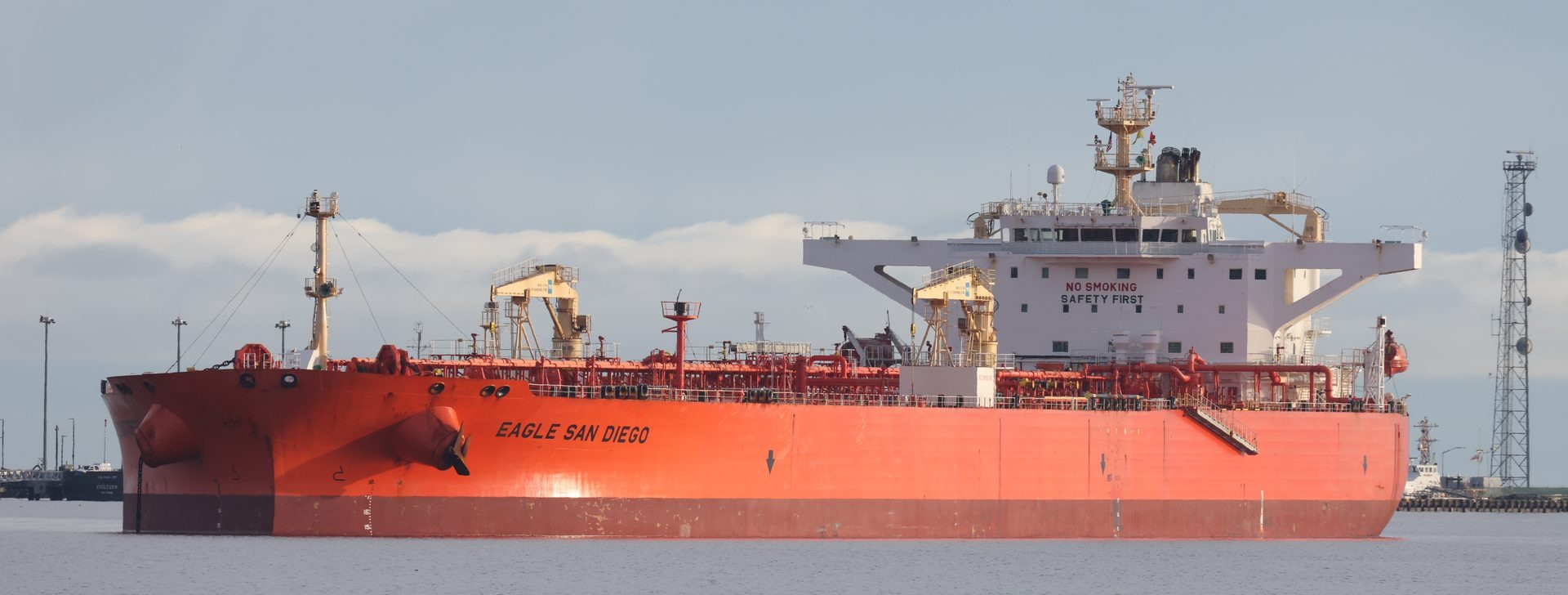
Key points
- On Saturday 17 October 2026, US President Donald Trump said the US Navy’s blockade of Iran was “effective”, claiming it had stopped all Iranian ships from crossing the Strait of Hormuz. <a href=”https://www.aljazeera.com/news/liveblog/2026/10/17/draft-2” target=”_blank” rel=”noopener”>Al Jazeera</a> (17 Oct 2026)
- US Central Command calls the blockade “ironclad”; its 13 October update says four commercial vessels were disabled and 135 ships were turned around during three months of the latest enforcement phase. <a href=”https://www.reuters.com/business/energy/iran-ships-some-lpg-jet-fuel-despite-us-blockade-data-shows-2026-10-16/” target=”_blank” rel=”noopener”>Reuters</a> (16 Oct 2026)
- The blockade was first imposed on 13 April, lifted in June under a draft understanding, and reimposed on 14 July; it sits across the Gulf of Oman near the Iran-Pakistan border; not inside the strait itself. <a href=”https://www.reuters.com/business/energy/iran-ships-some-lpg-jet-fuel-despite-us-blockade-data-shows-2026-10-16/” target=”_blank” rel=”noopener”>Reuters</a> (16 Oct 2026)
- At least eight gas tankers carrying Iranian LPG have left the Gulf of Oman since mid-July and an Iranian jet-fuel tanker reached Myanmar in September; though UANI says “the overwhelming majority” of Iranian-product tankers were redirected. <a href=”https://www.reuters.com/business/energy/iran-ships-some-lpg-jet-fuel-despite-us-blockade-data-shows-2026-10-16/” target=”_blank” rel=”noopener”>Reuters</a> (16 Oct 2026)
- US and Iranian negotiators held 21 hours of direct talks in Islamabad on 3–4 October, the highest-level meeting since 1979, and left without a deal, with Iran’s nuclear programme the decisive issue. <a href=”https://signalpostnews.com/trump-orders-hormuz-blockade-islamabad-talks-collapse-october-2026” target=”_blank” rel=”noopener”>Signal Post News</a> (Oct 2026)
ONE EVENT. THREE READINGS.
The Western framing is institutional: a sanctions regime finally given teeth.
In this telling, the blockade is the instrument that converts resolutions and designations into physical facts at sea, 135 ships turned around, four disabled, and the “ironclad” label is a signal to insurers, flag registries and buyers that evasion now carries a military price.
What this reading highlights: The leakages are acknowledged but treated as marginalia: what matters is that Iranian crude exports have, by every available account, effectively stopped.
Sources: Reuters, Reuters, The Times, Signal Post News, Steptoe / Mondaq
The Eastern framing, Tehran’s and Beijing’s, reads the same facts as coercion.
Iran’s position, as conveyed in its latest proposal, is that the strait reopens when the blockade lifts: two sieges, one bargain.
What this reading highlights: China, the destination toward which the leaked LPG cargoes quietly sail via Malaysian transfer points, absorbs the cost without a vote in the policy.
The Global South framing counts the bill.
Brent at $110, marine fuels more than 70% above pre-war levels, a Yemeni jet-fuel cargo reaching Myanmar’s military government under US sanctions; the war’s costs land on countries that neither imposed the blockade nor benefit from it.
What this reading highlights: Reuters (16 Oct 2026) For Europe, the arithmetic is paid at the pump; for Asia and Africa, in the fertiliser price and the diesel price.
Sources: Al Jazeera
Sources by lens: 5 West, 0 East, 1 Global South. See every source
THE POINT OF CONVERGENCE
Donald Trump said on Saturday that the US Navy’s blockade of Iran is “effective” and has stopped all Iranian ships crossing the Strait of Hormuz.
WHAT REMAINS CONTESTED
We do not agree on how airtight it is; Washington presents a total stop.
The story
What exactly did Trump claim about the blockade?
The claim came, as so many in this war have, without a briefing room. In live updates published on Saturday, US President Donald Trump said the United States Navy’s blockade of Iran was working; that it had, in effect, stopped all Iranian ships from crossing the Strait of Hormuz. Al Jazeera, carrying the remarks in its live coverage of the war on Iran, described the president as calling the American naval operation “effective”. Al Jazeera (17 Oct 2026)
The statement lands at a moment of maximum friction. Less than two weeks ago, American and Iranian negotiators met in Islamabad for 21 hours of direct talks, the highest-level encounter between the two countries since 1979, and left without an agreement, with Iran’s nuclear programme named as the decisive unresolved issue. Signal Post News (Oct 2026), citing AP and NBC reporting
Trump’s assertion also follows one of the bloodiest weeks on the parallel Yemeni front: missiles and drones linked to the Houthi movement struck Riyadh’s King Khalid International Airport on 10 October, killing at least 13 people including an American citizen and injuring hundreds; the deadliest attack on the kingdom in over a decade. The Times (12 Oct 2026) Readers following the chokepoint’s recent history can trace the escalation through our earlier coverage of a supertanker ablaze under the blockade.
How effective is the blockade really?
On the American military’s own accounting, the operation is formidable. US Central Command calls the blockade “ironclad”. In an update on 13 October, it said that during three months of the latest enforcement phase, four commercial vessels had been disabled and 135 ships turned around by US forces. Reuters (16 Oct 2026)
The blockade’s history matters. It was first imposed on Iranian oil exports on 13 April, lifted in June after Washington and Tehran reached a draft understanding, and reimposed on 14 July when that arrangement collapsed. A US military official told Reuters the blockade line sits across the Gulf of Oman near the Iran-Pakistan border, not inside the strait itself, and that every vessel is assessed individually, with some allowed through for humanitarian reasons. Reuters (16 Oct 2026)
Independent tracking partly supports the “effective” verdict. Jemima Shelley, senior research analyst at United Against Nuclear Iran, told Reuters that “the overwhelming majority of tankers laden with Iranian products have been redirected by US forces”. But the same reporting shows the blockade leaks: at least eight gas tankers carrying Iranian liquefied petroleum gas have left the Gulf of Oman since mid-July, some transferring cargoes near the Omani coast, and a tanker of Iranian jet fuel reached Myanmar in September. Reuters (16 Oct 2026) The picture resembles our earlier reporting on Iran’s final oil shipments reaching China more than it does a hermetic seal.
Jemima Shelley, senior research analyst at United Against Nuclear Iran, told Reuters that “the overwhelming majority of tankers laden with Iranian products have been redirected by US forces”.
Three things remain genuinely unclear
Three things remain genuinely unclear. First, whether any Iranian crude oil, as opposed to LPG and jet fuel, has moved since July; the documented leakage so far involves smaller, opportunistic cargoes. Second, how Tehran will answer the “effective” claim: Iran’s latest formal position, conveyed via shuttle diplomacy, offered a cessation of hostilities and the lifting of the blockade in exchange for reopening the strait and committing to nuclear talks; an offer Washington publicly rejected. Steptoe / Mondaq (16 Oct 2026)
Third, the Yemeni front’s trajectory: Friday’s missile strikes on Aden’s airport drew no immediate claim of responsibility, and caused no casualties this time, but they were the second attack on the facility in less than a week; a tempo that suggests escalation rather than signalling. Reuters (16 Oct 2026)
The Strait of Hormuz has long carried roughly a quarter of the world’s
The Strait of Hormuz has long carried roughly a quarter of the world’s seaborne oil, and the blockade has turned that fact into a weapon. Straits Live (16 Oct 2026) On Friday, Brent crude briefly touched $110 a barrel for the first time since May, as worries about tighter supply rippled through markets. Reuters (16 Oct 2026)
The costs are already political. The costs are already political as well as economic. Marine fuel prices remain more than 70% above pre-war levels, and shippers have shifted to spot and short-term bunker purchases to cope with volatility, according to industry executives. Reuters (16 Oct 2026) With US midterm elections weeks away, the chokepoint’s closure has become electoral arithmetic on two continents; the kind of pressure that has historically forced blockades to the negotiating table, or broken them. For the longer market arc, see our reporting on how restricted Hormuz transit moved oil markets.
Read through the Bureau’s five dimensions, the story is not really about
Read through the Bureau’s five dimensions, the story is not really about ships. Geopolitically, the blockade is Washington’s answer to the oldest problem in coercive diplomacy: how to hurt an adversary without striking its territory. Economically, it converts the strait’s geography into a toll booth in reverse; instead of Iran charging transit fees, America charges non-transit. Demographically, the pain flows downhill to consumers: European drivers, Asian factories, African farmers buying diesel. Historically, blockades have a poor record of producing quick capitulation and a strong record of producing long economic wars; the April-to-October arc of this one fits the pattern. Technologically, the new variable is verification itself: satellite tracking, transponder data and monitoring groups mean every “effective” and every “ironclad” is now audited in near-real time; which is precisely why the argument has moved from whether the blockade exists to how airtight it is. Our Hormuz chokepoint dossier tracks the full arc.
The second-order effects are already visible
The second-order effects are already visible. Shippers have shifted to spot and short-term bunker purchases to cope with volatility, diversifying refuelling locations away from the region. Reuters (16 Oct 2026) Yanbu’s importance as Saudi Arabia’s Red Sea bypass, letting crude reach markets without Hormuz, grows with every missile aimed at it, and Friday’s intercepted ballistic missile headed for the city shows the bypass is itself a target. Reuters (16 Oct 2026) And the Houthi campaign against Saudi aviation, which has now drawn travel warnings from London and Washington, is steadily converting a Yemeni civil war front into a regional aviation crisis. The Times (12 Oct 2026)
What could break the stalemate?
Three paths present themselves. The first is negotiation: Washington publicly rejected Tehran’s latest proposal, but the shuttle channel through Islamabad and Doha remains the only documented route back, and both sides keep describing the gap as closable. Steptoe / Mondaq (16 Oct 2026) The second is escalation: the Houthi tempo against Saudi airports and Aden, plus IRGC small-boat harassment in the strait, points toward a war that widens faster than it ends. The third is attrition: the blockade grinds on, the leakage continues at the margins, and the world adjusts to $110 oil as the new weather. Which path prevails will be decided less by communiqués than by shipping data; the one ledger neither side can spin. For the signals to watch, see our analysis of whether Trump is signalling a return to war.
What we agree on, and what remains open
Established
- Donald Trump said on Saturday that the US Navy’s blockade of Iran is “effective” and has stopped all Iranian ships crossing the Strait of Hormuz.
- US Central Command calls the operation “ironclad”, reporting four commercial vessels disabled and 135 ships turned around in three months.
Contested
- We do not agree on how airtight it is; Washington presents a total stop.
- Shipping intelligence reported by Reuters shows at least eight Iranian LPG tankers left the Gulf of Oman since mid-July and an Iranian jet-fuel tanker reached Myanmar in September, while the blockade line sits in the Gulf of Oman, not inside the strait.
Still open
- Whether any Iranian crude oil has moved since July.
- How Tehran will answer the “effective” claim.
- Whether the Houthi campaign against Saudi airports and Aden escalates further.
- Or how long Riyadh’s main airport remains disrupted.
What to watch
Questions, answered
In live updates published on Saturday 17 October, Donald Trump said the US Navy’s blockade of Iran was “effective” and had stopped all Iranian ships from crossing the Strait of Hormuz. Al Jazeera carried the remarks in its live war coverage. The claim follows the collapse of 21 hours of US-Iran talks in Islamabad and comes as US Central Command describes the same operation as “ironclad”.
Largely, but not totally. US Central Command says four commercial vessels were disabled and 135 ships turned around in three months, and calls the blockade “ironclad”. Tracking data backs the scale of the effort: analysts say the “overwhelming majority” of Iranian-product tankers were redirected. But at least eight Iranian LPG tankers slipped out of the Gulf of Oman since mid-July, and one jet-fuel cargo reached Myanmar in September.
Britain’s Foreign Office advises against all but essential travel to Saudi Arabia after a wave of Houthi missile and drone attacks on the kingdom’s airports. The trigger was the 10 October strike on Riyadh’s King Khalid International Airport, which killed at least 13 people including an American citizen and injured hundreds; the deadliest attack on Saudi Arabia in over a decade.
Two missiles landed on the grounds of Aden International Airport in southern Yemen on Friday 16 October, according to the Aden Security Department, which blamed the Iran-aligned Houthi group. No casualties were reported, and a Yemenia Airways flight bound for Cairo was preparing for takeoff when the missiles landed. It was the second attack on the facility in less than a week.