 MAGNA BUREAU
The Wire
Iran reviews Qatar’s bridge proposals as nuclear talks edge closer
Tehran is studying a Qatari plan for two days of trust-building measures, an end to the blockade on its ports and the release of frozen funds in exchange for inspectors at its bombed nuclear sites and the reopening of the Strait of Hormuz, but it says it will not discuss its nuclear programme until Washington meets its conditions.
Key points
- Friday 6 November 2026: Iran is reviewing proposals presented by chief mediator Qatar on Tehran’s nuclear programme, officials from the Iranian and Qatari governments told the Associated Press. Associated Press via The Hindu
- The bridge deal: two days of trust-building measures; the United States lifts its blockade on Iranian ports and releases some frozen funds, Iran admits Agency inspectors to bombed nuclear sites, and on day two reopens the Strait of Hormuz. Associated Press / Reuters
- Iran’s conditions: seven conditions before any nuclear negotiation, including an end to the blockade, sanctions lifted, frozen assets unfrozen, compensation for war damage, and an end to hostilities across the region. Reuters / Associated Press
- The stockpile: the International Atomic Energy Agency reports Iran holds 440.9 kilogrammes of uranium enriched to 60 per cent purity, a short technical step from the 90 per cent weapons-grade level. IAEA via Associated Press
- Friday 6 November 2026: the United States military carried out new limited strikes on Iran, targeting an Iranian air defence system, with explosions heard on Qeshm and Hengam islands and near Bandar Abbas. 7
ONE EVENT. THREE READINGS.
Western coverage reads it as a crack in a wall that held for eight months, because Tehran had long refused to discuss its nuclear programme at all.
A United States official told Al Jazeera the indirect discussions were “positive and constructive”, but stressed there would be no agreement unless the nuclear programme is addressed, and said Trump would relieve sanctions and release frozen funds for progress on nuclear issues.
What this reading highlights: A United States official told Al Jazeera the indirect discussions were “positive and constructive”, but stressed there would be no agreement unless the nuclear programme is addressed, and said Trump would relieve sanctions and release frozen funds for progress on nuclear issues.
Sources: Associated Press, via The Hindu, Reuters, via Outlook India, Bloomberg, via The Insight International, The Times of Israel
Eastern coverage reads the story first through energy and shipping, because the Strait of Hormuz is the artery for Asia’s oil, and its closure has been felt in fuel prices across Asia.
The Hindu, The Economic Times and Daijiworld all linger on the concrete terms, the blockade lifted, the frozen funds released, the inspectors admitted, and the strait reopened.
What this reading highlights: The Hindu, The Economic Times and Daijiworld all linger on the concrete terms, the blockade lifted, the frozen funds released, the inspectors admitted, and the strait reopened.
Sources: The Hindu
From Doha, the story is mediation itself, with Qatar carrying proposals between two powers with no direct channel, and its prime minister, Sheikh Mohammed bin Abdulrahman Al Thani, has urged both sides to stop waiting for ideal conditions. “We will never have a perfect peace deal, but you can’t wait for that perfect moment,” he told Oxford University, and the Qatari foreign ministry said on 3 November that both sides were already reviewing proposals.
The Southern reading takes Iran’s conditions seriously, an end to the blockade, sanctions lifted, frozen assets returned, compensation for war damage, and an end to hostilities across the region including Israeli operations in Lebanon.
What this reading highlights: The Southern reading takes Iran’s conditions seriously, an end to the blockade, sanctions lifted, frozen assets returned, compensation for war damage, and an end to hostilities across the region including Israeli operations in Lebanon.
Sources: Al Jazeera, Pakistan Point
Sources by lens: 4 West, 1 East, 2 Global South. See every source
THE POINT OF CONVERGENCE
On Friday 6 November 2026, officials from the Iranian and Qatari governments told the Associated Press that Iran is reviewing proposals presented by chief mediator Qatar on Tehran’s nuclear programme, that a two-day bridge deal of trust-building measures has been discussed, and that Iran will not enter nuclear negotiations until Washington meets the core conditions Tehran wants in a ceasefire agreement.
WHAT REMAINS CONTESTED
Whether the two-day bridge deal is a genuine path towards talks or a device that lets each side claim movement while conceding nothing on sequencing, and whether sanctions relief and the release of frozen funds should come before nuclear commitments, as Tehran demands, or only in exchange for them, as Washington insists.
The story
What did Qatar put on the table on Friday?
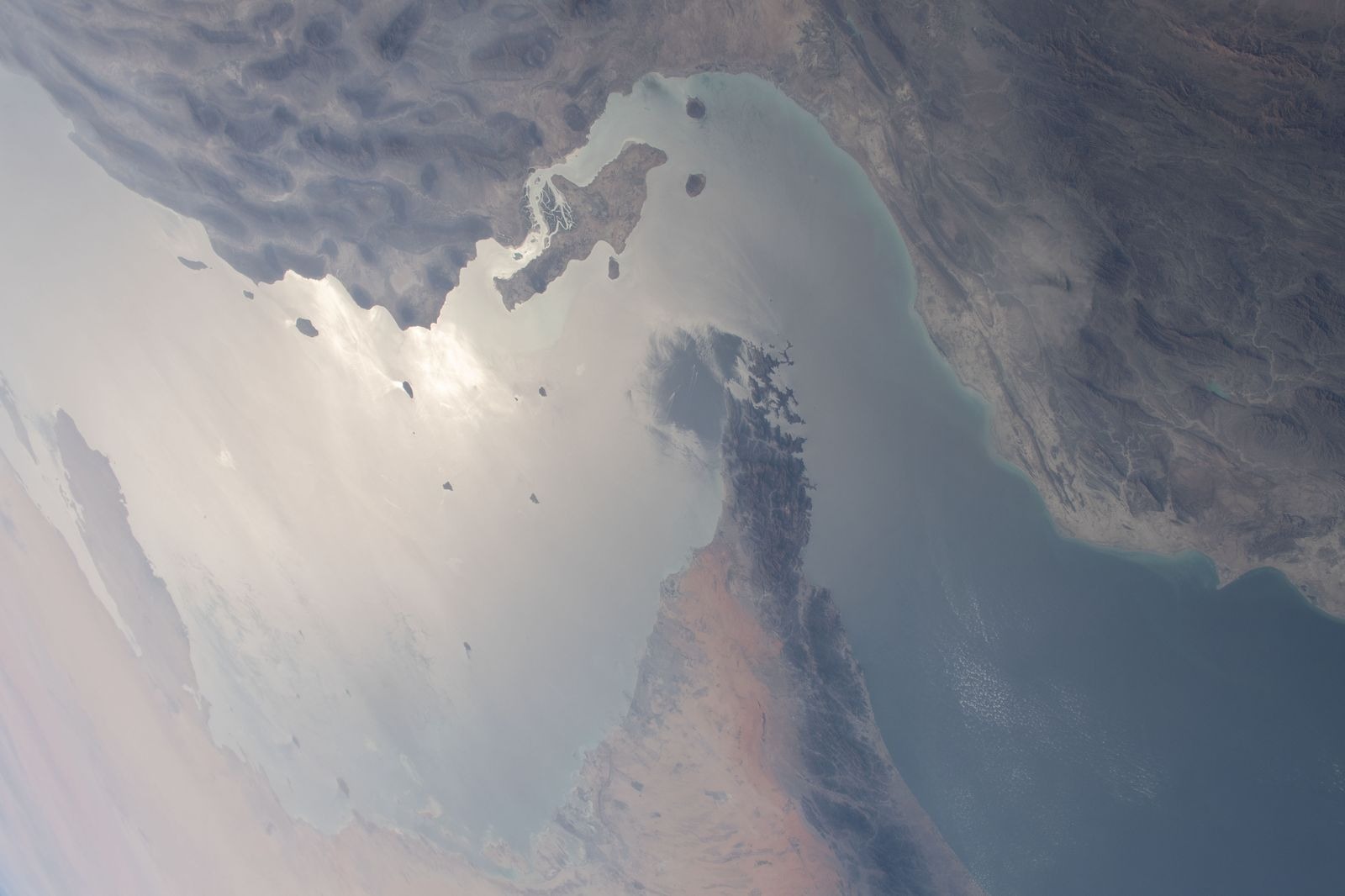
Iran is reviewing proposals presented by Qatar, the chief mediator between Tehran and Washington, on Tehran’s nuclear programme, and officials from both West Asian governments said so on Friday 6 November 2026. The news raises hopes of indirect talks on an issue Trump says must be settled as part of any deal to end a war now more than eight months old. Yet one official stressed that Iran, at least at the moment, is unwilling to negotiate with the Trump administration over its atomic activities until Washington agrees to several core conditions Tehran has been demanding as part of any ceasefire agreement. Both officials spoke on condition of anonymity. The White House declined to comment, but Trump said the mediators’ discussions continue. “We are talking to Iran. We have been,” he said. The same day, Trump said the United States military had carried out new limited strikes on an Iranian air defence system, with explosions heard on Qeshm and Hengam islands in the Strait of Hormuz and near Bandar Abbas. Explosions were heard on Qeshm island as the United States struck again, so the diplomacy and the bombing advanced side by side.
What do the two days of trust-building actually contain?
Mediators and Iran have discussed a potential bridge deal to pave the way for further talks on Tehran’s nuclear programme, and the Qatari proposal calls for trust-building measures over two days. These include lifting the United States blockade on Iranian ports and releasing some of the billions of dollars in Iranian frozen funds seized under sanctions. In return, Tehran would allow inspectors from the International Atomic Energy Agency at the nuclear sites bombed by the United States and Israel. On the second day, Iran would reopen the Strait of Hormuz under a modified Iran-Oman agreement the United States has not approved, temporarily, until a permanent deal is reached with other Gulf countries. Afterwards, the two sides would hold extensive talks on Iran’s stockpile of highly enriched uranium. Yet according to the Agency, Iran holds 440.9 kilogrammes of uranium enriched up to 60 per cent purity, a short technical step from weapons-grade levels of 90 per cent. Reuters separately reported that Iran had already sent its own proposal to Washington through Qatar, and that Tehran would not proceed until its seven conditions were met. The strait itself has been the hinge of this war since February, and the bridge deal treats its reopening as proof the first steps worked.
We are talking to Iran. We have been,
What is still hidden behind the anonymous briefings?
We do not know whether Washington accepts the sequencing at the heart of the bridge deal, because Iran wants its conditions met before nuclear talks begin while the United States wants nuclear questions included from the outset, and neither side has said publicly how that gap closes. We do not know whether the United States will approve the modified agreement on the Strait of Hormuz that Iran and Oman have reached, since the officials described it as unapproved by Washington. We do not know the exact state of the 440.9 kilogrammes enriched to 60 per cent purity, because the Agency’s figure rests on information up to 13 June 2025, and the sites have since been bombed. We do not know what the “significant sanctions relief” in the proposals covers in practice, although a diplomat said the offers stop short of dismantlement. And we do not know whether Friday’s fresh strikes were pressure to speed the talks, or a sign the military track is pulling away from the diplomatic one.
Why does a two-day bridge deal matter after eight months of war?
It matters because this is the first time Tehran is even studying proposals on the nuclear file after long insisting that it would not discuss the issue at the heart of the conflict with the United States. It matters because the Strait of Hormuz handled roughly 20 per cent of the world’s oil and gas supplies before the war, and every day it stays closed, the cost travels through fuel prices into households and elections far from the Gulf. Tuesday’s midterm elections delivered a stunning repudiation to Trump’s Republican Party, driven in part by voter dissatisfaction with his execution of the conflict and by elevated fuel prices. It matters, too, because a two-day bridge is the smallest step that lets both sides claim movement without conceding the sequencing fight, and if the first steps hold, inspectors return, frozen money moves, and a waterway reopens. An earlier seven-day version of the same idea was already on the table in Doha, and the timetable has now been cut to two days, which shows how urgently both sides want delivery to follow promise.
Why is the sequencing the real negotiation?
Both sides broadly agree on what the first steps look like, money moves, inspectors return, the strait reopens, and the hard part is who moves first and whether the nuclear file waits. Iran wants its conditions in a ceasefire agreement before discussing its atomic activities, while Washington wants nuclear questions included from the outset, and a senior Iranian official told Reuters that Tehran sent its proposal through Qatar and will not proceed until its seven conditions are met. The two-day design tries to dissolve that standoff rather than resolve it, since each side’s first step is small and reversible, Washington lifts a blockade and releases some funds, Tehran opens bombed sites to inspectors, and neither side concedes the principle before the other has moved. The loose thread is the modified Iran-Oman arrangement for the strait, which Washington has not approved, and that gap is where the bridge could snag. Meanwhile the Friday strikes show force is still leverage, and Washington has also offered up to 20 million dollars through its Rewards for Justice programme for information about Iran’s nuclear facilities, even while it talks about the programme.
What happens to oil, the region and the politics if the bridge holds, or breaks?
If the bridge holds, the first dividend is oil, because a reopened Strait of Hormuz would ease the shipping and insurance costs that have kept fuel prices elevated, and that relief would reach Asia’s importing economies and American petrol stations first. If it breaks, the tanker war resumes in a strait where mines and missiles have already damaged ships, and the Gulf states are drawn deeper into talks on a permanent arrangement they have not agreed. The region feels it too, because Iran’s conditions include an end to hostilities across the region, including Israeli operations in Lebanon, and any deal that ignores that demand leaves a war running beside the negotiation. Inside Iran, the parliament’s deputy speaker has warned the nuclear programme will not be negotiated under any pressure, which caps what Tehran’s negotiators can concede. And the inspectors matter more than they appear to, because if the Agency returns to the bombed sites, the world gets its first verified picture of the 60 per cent stockpile since June 2025.
What should we watch for in the coming days?
Watch first for Washington’s response to the proposal Tehran has already sent through Qatar, because the senior Iranian official said the United States was reviewing it, and that answer decides whether the two-day measures begin or whether the sequencing dispute freezes them. Watch for what follows the call between Qatar’s Emir, Sheikh Tamim bin Hamad Al Thani, and President Trump on Friday. Watch whether the fresh strikes continue, because a pause in the bombing would be the clearest signal that the diplomatic track is being given room, while further strikes on air defences around Qeshm and Bandar Abbas would suggest the military track is still setting the pace. And watch the language, because no full agreement has been reached, and reviewing proposals is not accepting them.
What we agree on, and what remains open
Established
- On Friday 6 November 2026, officials from the Iranian and Qatari governments told the Associated Press that Iran is reviewing proposals presented by chief mediator Qatar on Tehran’s nuclear programme, that a two-day bridge deal of trust-building measures has been discussed, and that Iran will not enter nuclear negotiations until Washington meets the core conditions Tehran wants in a ceasefire agreement.
Contested
- Whether the two-day bridge deal is a genuine path towards talks or a device that lets each side claim movement while conceding nothing on sequencing, and whether sanctions relief and the release of frozen funds should come before nuclear commitments, as Tehran demands, or only in exchange for them, as Washington insists.
Still open
- Whether Washington accepts the sequencing.
- Whether it approves the modified Hormuz arrangement.
- The exact state of the 60 per cent stockpile after the bombings.
- What the promised sanctions relief covers in practice.
- Whether Tehran’s hardliners will allow any negotiation.
- Whether Friday’s fresh strikes were pressure to speed the talks or a sign the military track is pulling away.
What to watch
Questions, answered
It is a two-day sequence of trust-building measures presented by Qatari mediators to Iran and the United States. On day one, Washington would lift its blockade on Iranian ports and release some frozen Iranian funds, while Tehran would admit inspectors from the International Atomic Energy Agency to its bombed nuclear sites. On day two, Iran would reopen the Strait of Hormuz under a modified arrangement reached with Oman.
Tehran says it will not discuss its atomic activities until Washington meets seven conditions it wants in a ceasefire agreement, including an end to the blockade on its ports, the lifting of sanctions, the release of frozen assets, compensation for war damage, and an end to hostilities across the region, including Israeli operations in Lebanon. Washington, by contrast, wants nuclear questions included from the very outset.
According to the International Atomic Energy Agency, Iran holds 440.9 kilogrammes of uranium enriched up to 60 per cent purity, a short technical step from the 90 per cent level generally associated with weapons-grade material. The figure rests on information available up to 13 June 2025, and the sites holding that material have since been bombed by the United States and Israel.
Iran would reopen the strait on the second day, under a modified agreement it has reached with Oman that Washington has not yet approved. The mechanism would be temporary until a permanent deal is reached in cooperation with other Gulf countries. The strait handled roughly 20 per cent of the world’s oil and gas supplies before the war, and Iran closed it shortly after the United States and Israel launched their offensive on 28 February.