 MAGNA BUREAU
The Wire
Crane collapse into a furnace kills at least 17 at a Turkish steel plant
The blast at the HABAS steelworks in Aliağa, north of Izmir, killed 17 workers and injured 12 on Monday, after a crane carrying a replacement boiler fell into an electric arc furnace. President Erdoğan has ordered judicial and administrative inquiries, and at least five people have been arrested.
Key points
- An explosion at the HABAS Demir Çelik iron and steel plant in Aliağa, about 60 km north of Izmir, killed at least 17 workers and injured 12 on Monday 9 November 2026. 1
- The blast struck at 11:46 local time (08:46 GMT) during maintenance on an electric arc furnace. 2
- Izmir governor Süleyman Elban said an overhead crane carrying a replacement boiler collapsed and fell into the furnace, damaging a natural gas line. 5
- President Recep Tayyip Erdoğan announced judicial and administrative investigations after a cabinet meeting, and said the cause, possible negligence and responsibility would be established. 4
- Health Minister Kemal Memişoğlu said one of the critically injured died of his injuries, raising the toll from 16 to 17. 1
ONE EVENT. THREE READINGS.
An investigation racing a death toll.
From the West, the story is told through the toll’s revisions, the arrests and the safety record.
What this reading highlights: The BBC and the AFP wire frame the blast as a test of accountability: a toll that climbed from 6 to 17 in a day…
Sources: BBC, AFP via Kuwait Times
The East reports the numbers and moves on.
From the East, the coverage is spare and wire-driven.
What this reading highlights: CNA in Singapore carried the early toll of ten dead and 15 injured, with rescue teams still searching for people trapped beneath the rubble.
Sources: CNA
The Turkish voices first.
From the Global South, the story is told by the country’s own outlets.
What this reading highlights: Al Jazeera, Daily Sabah and TRT World carry the governor’s account, the president’s announcement and the 11:46 timing, and they give space to the labour…
Sources: Al Jazeera, Daily Sabah, TRT World
Sources by lens: 2 West, 1 East, 3 Global South. See every source
THE POINT OF CONVERGENCE
On Monday 9 November 2026 an explosion at the HABAS Demir Çelik steel plant in Aliağa, about 60 km north of Izmir, killed at least 17 workers and injured 12.
WHAT REMAINS CONTESTED
Whether the accident was a single equipment failure or the product of a safety culture that had already cost lives at the same plant.
The story
The midday blast that shook Aliağa like an earthquake
The explosion tore through the HABAS Demir Çelik iron and steel plant at 11:46 on Monday morning, killing at least 17 workers and injuring 12 more in one of the deadliest industrial accidents Türkiye has suffered in years.
The plant stands in Aliağa, a port district about 60 kilometres north of Izmir on the Aegean coast, and the blast struck during maintenance on one of its electric arc furnaces. According to the governor of Izmir, Süleyman Elban, an overhead crane carrying a replacement boiler broke away and fell into the furnace below, and the impact set off the explosion. The governor added that the falling crane damaged a natural gas line, feeding the fire that followed.
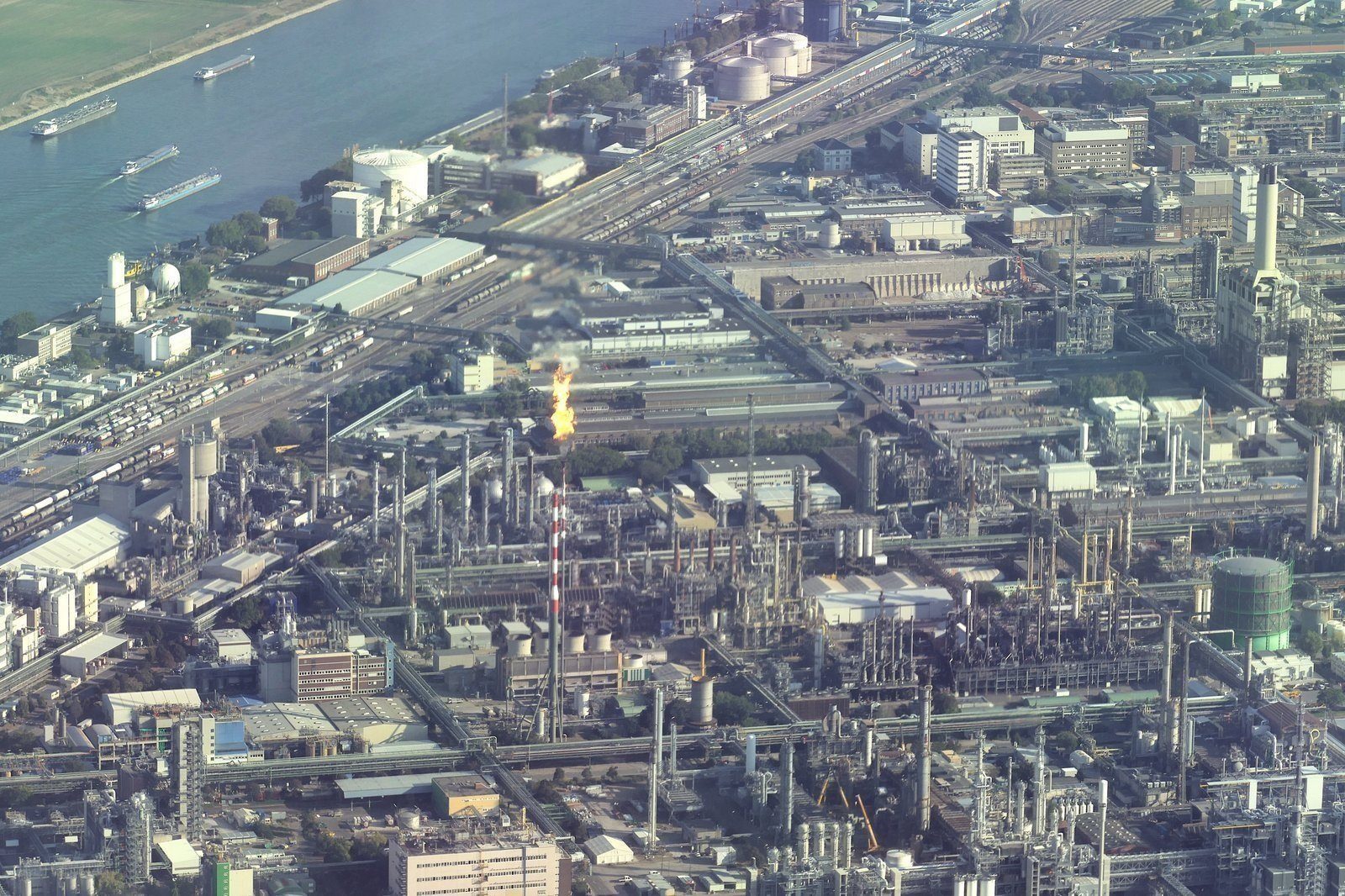
Footage from the scene showed a towering column of thick smoke rising over the plant as flames took hold of a tall structure inside the complex. Witnesses said the blast shook the ground so hard that some believed an earthquake had struck.
The toll climbed through the day. Provincial authorities first reported six dead and ten people trapped; the governor then put the toll at ten dead and 15 injured. After a cabinet meeting in Ankara, President Recep Tayyip Erdoğan announced 16 dead and 13 injured; and hours later the health minister, Kemal Memişoğlu, said one of the critically injured had died, taking the toll to 17, with 12 injured.
What the governor, the president and the company have confirmed
Three accounts now agree on the shape of the accident, if not yet on every number. The governor’s office says the blast happened during furnace replacement work, when a ceiling crane snapped and dropped its load into the arc furnace. The company that runs the plant says the accident occurred during scheduled maintenance on one of its electric arc furnaces. President Erdoğan, speaking after the cabinet meeting, said judicial and administrative investigations had been opened to establish the cause, examine possible negligence and determine responsibility.
Two of the injured were in serious condition when the president spoke, and the health minister later confirmed that one of them had died of their injuries. The mayor of Izmir, Cemil Tugay, has warned that the full number of dead and injured will only become clear once the rubble has been cleared, and the governor has said some people are believed still to be trapped beneath it.
At least five people have been arrested, according to BBC News’s Turkish service, citing local media reports. HABAS, a privately owned group and one of Türkiye’s largest steel producers, declined to answer questions from the AFP news agency.
What the rubble still hides; and what the inquiries must answer
The final toll is not yet fixed. Rescue teams were still working through the rubble on Monday evening, and neither the governor nor the mayor would say how many people remained trapped. Early figures for the trapped ranged from eight to ten, and the injured count moved from 15 to 13 and then to 12 as one victim died; a reminder that every number from the first hours is provisional.
The chain of failure is also unresolved. The governor’s account, a crane collapsing into a furnace during a boiler replacement, explains the trigger, but not why the crane failed, whether its load was secured, whether the furnace should have been isolated during the lift, or who signed off on the maintenance plan.
Nor is it clear what the five arrests signify: who was detained, on what suspicion, and whether the detentions point to individual fault or to a wider failure of supervision. The inquiries Erdoğan announced will have to answer those questions in public if they are to carry weight.
Why one plant’s death toll is a national question
Türkiye’s workplace death toll is a chronic wound, and this plant has bled before. The Evrensel daily reported that at least 11 workers had died at the HABAS plant over the past decade, and Türkiye’s Labour Party said Monday’s blast was the third fatal incident there in three weeks. The Turkish Health and Safety Labour Watch, an independent civil society organisation, told the BBC that workplace accidents remain a chronic problem across the country.
The scale of the industry raises the stakes. HABAS is one of Türkiye’s top steel producers, and Aliağa is a major port and one of the country’s main shipbreaking hubs; a district where heavy industry, heavy lifting and molten metal are everyday work. When safety fails at a plant of this size, the failure is not a private misfortune; it is a test of how the country’s industrial model treats the people who run it. The country has seen industrial death before: a rock collapse in Cappadocia killed two people in October.
The politics are immediate too. Erdoğan announced the toll himself, on television, after a cabinet meeting; a sign that the government knows the public will judge it on what the inquiries find, and on whether anyone is held to account.
The arithmetic of molten steel, heavy lifts and thin margins
Read through the five dimensions, the accident is a collision of physics and economics. Geopolitically, Türkiye is a steel power whose mills feed construction and export markets across Europe and the Middle East; a fatal blast at a leading producer lands in a sector the state counts as strategic. Economically, steel runs on thin margins and continuous operation, and maintenance shutdowns are the moments when the pressure to return to production is greatest; the crane was lifting a replacement boiler, work that only happens when a furnace is stopped. Ankara is building a development road and energy corridor that will only raise the value of the country’s industrial base.
Technologically, the hazard is specific and well understood. An electric arc furnace holds molten steel at temperatures above 1,500 degrees Celsius; anything dropped into it, a crane, a boiler, a load of scrap, can trigger a violent reaction, and a damaged gas line turns an explosion into a fire. The safeguards are procedural: isolate the furnace, secure the load, clear the area. The inquiries will ask which of those steps held and which did not.
Demographically, the victims were industrial workers in a port district built on heavy industry, the kind of workforce whose risks are priced into national statistics and rarely into headlines. Historically, Türkiye’s record gives the public reason to doubt that this inquiry will be the last: the same plant, the same decade, eleven earlier deaths. The question is not whether the rules exist, but whether they are enforced before the next lift.
What follows when five arrests come before the report
First, the investigations will set the tempo. Judicial and administrative inquiries run in parallel, and the five arrests suggest prosecutors are moving fast; perhaps too fast for a full technical picture, which takes weeks of furnace and crane inspection. If charges follow before the cause is established, the defence will say the process was political; if they do not, the public will say it was a gesture.
Second, the plant itself faces a reckoning. A shutdown for inspection, a safety audit across HABAS sites, and pressure from unions and labour inspectors are all likely, and each day the furnaces stay cold costs a producer whose margins depend on continuous running.
Third, the pattern invites a wider sweep. If the Labour Party’s claim, a third fatal incident in three weeks, is confirmed, inspectors will be asked why earlier deaths did not trigger intervention. The blast may become the case that forces a national conversation about maintenance work, contractor oversight and the enforcement gap between the safety rules on paper and the practices on the factory floor. Ankara’s politics are never far from industry: Türkiye’s parliament recently ratified a defence agreement with Saudi Arabia.
When will the rubble give up its count?
Watch the rescue first. The toll will not be final until the rubble is cleared and the mayor’s warning, that the full number will only then be known, is answered. Watch the health ministry next, for the condition of the remaining seriously injured.
Watch the inquiries after that: the names behind the five arrests, the technical findings on the crane, and whether the administrative inquiry reaches into the plant’s safety record over the past decade. And watch the labour ministry, for any inspection sweep of steel plants and shipbreaking yards around Aliağa. The blast is over; the accounting has only begun.
What we agree on, and what remains open
Established
- On Monday 9 November 2026 an explosion at the HABAS Demir Çelik steel plant in Aliağa, about 60 km north of Izmir, killed at least 17 workers and injured 12.
- The blast struck at 11:46 local time during maintenance on an electric arc furnace, when an overhead crane carrying a replacement boiler collapsed into the furnace.
- President Erdoğan announced judicial and administrative investigations.
Contested
- Whether the accident was a single equipment failure or the product of a safety culture that had already cost lives at the same plant.
- Whether five arrests before the technical findings show resolve or haste.
- Whether the inquiries will reach the plant’s record over the past decade or stop at the crane.
Still open
- The final toll while the rubble is uncleared.
- How many people remain trapped.
- Why the crane failed.
- Whether the furnace was isolated during the lift.
- Who the five arrested people are and what they are suspected of.
- Whether HABAS will answer questions about its safety record.
What to watch
Questions, answered
At least 17 workers were killed and 12 injured, according to the BBC’s update on the evening of 9 November 2026. President Erdoğan had earlier announced 16 dead and 13 injured; the health minister, Kemal Memişoğlu, then said one of the critically injured had died of his injuries. The toll rose through the day from an initial six dead, and the mayor of Izmir has warned it will only be final once the rubble is cleared.
According to the governor of Izmir, an overhead crane carrying a replacement boiler collapsed during maintenance and fell into an electric arc furnace, triggering the blast. The governor added that the falling crane damaged a natural gas line, feeding the fire that followed. The company says the accident happened during scheduled maintenance on one of the plant’s electric arc furnaces, and judicial and administrative investigations are now under way.
President Erdoğan announced judicial and administrative investigations after a cabinet meeting on Monday, saying they would establish the cause, examine possible negligence and determine responsibility. At least five people have been arrested, according to BBC News’s Turkish service, citing local media reports. The identities of those detained and the suspicions against them have not yet been made public.
Yes. The Evrensel daily reported that at least 11 workers had died at the plant over the past decade, and Türkiye’s Labour Party said Monday’s blast was the third fatal incident there in three weeks. The Turkish Health and Safety Labour Watch says workplace accidents remain a chronic problem across the country, which is why the inquiries into this blast carry such weight.